The right boom lift can give your crew efficient access to elevated work while fitting the space, terrain, and reach demands of the jobsite. In this guide, you will learn how articulating, telescopic and compact boom lifts differ, which conditions matter when selecting a machine, and what information to share when requesting a boom lift rental in Texas.
Start With the Work Your Crew Needs to Reach
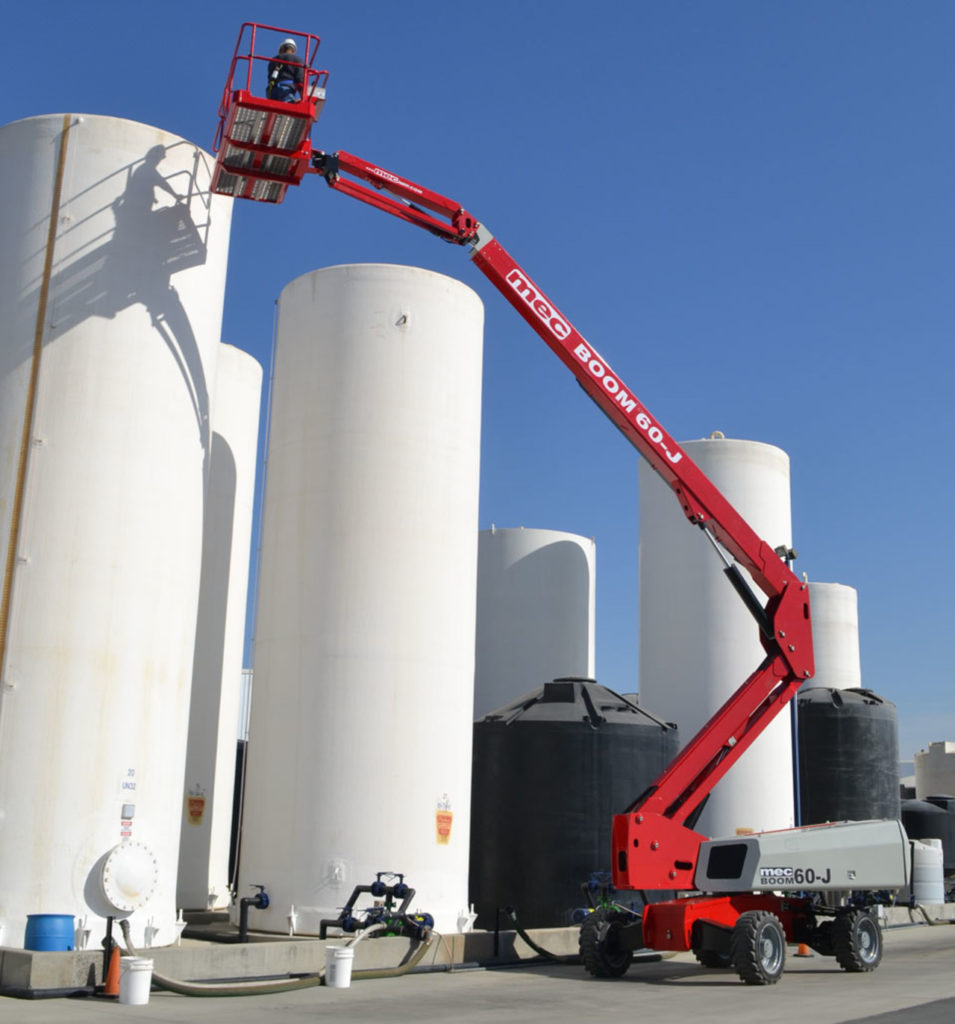
Do not choose a boom lift based on platform height alone. Begin with the position of the work area and the path the platform must follow to reach it. A task directly above an open area may require a different machine than work located behind a wall, overhang, or piece of installed equipment.
Estimate both the vertical working height and horizontal outreach needed. Then account for where the lift can be positioned. If the machine must remain several feet away from a building or obstacle, its outreach may be just as important as its height.
Common construction uses for boom lifts include exterior finishing, roofing details, steel building work, lighting installation, sign work and facility maintenance. The exact application will help the rental team determine which available machine is worth considering.
Compare the Main Types of Boom Lifts
Boom lifts are available in several configurations. Understanding the basic differences will help you describe what the job requires, but final equipment selection should also account for the manufacturer’s specifications and actual site conditions.
Articulating Boom Lifts
An articulating boom lift has jointed sections that allow the platform to move up and over certain obstacles. This design is useful when workers need elevated access around structures, equipment, or other obstructions.
For example, an articulating lift may help a crew reach a building surface when the machine cannot be parked directly below the work area. The added movement can be valuable on complex sites, although the required height, outreach, platform capacity, and operating space must still be checked.
Hendershot lists the compact MANITOU MAN’GO 33 articulated lift in its rental fleet. Visit the Texas boom lift rental page to learn about current rental support and request availability for your project.
Telescopic Boom Lifts
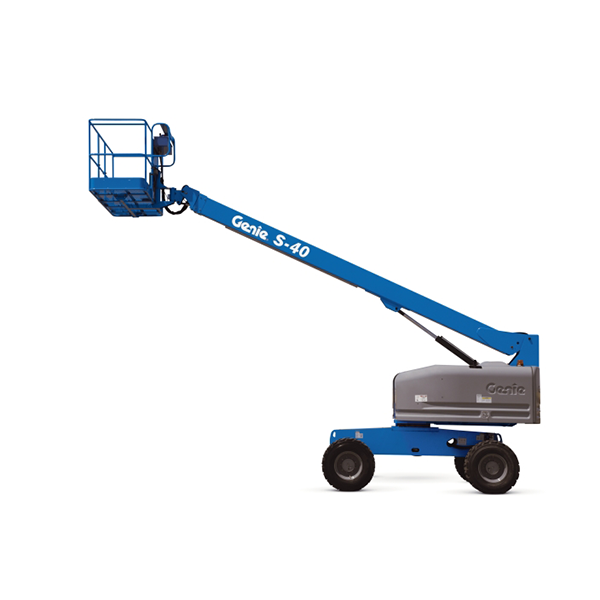
A telescopic boom lift, sometimes called a straight boom, extends outward in a more direct line. It is often considered for jobs that require substantial horizontal reach with a relatively clear path between the machine and the work area.
Straight booms generally need room to position and operate. Before requesting one, evaluate the site for structures, traffic, overhead hazards, and other conditions that could limit access. Availability varies, so describe the required reach rather than assuming a particular lift type is in the fleet.
Compact Boom Lifts
A compact boom lift may be helpful where access width or operating space is limited. Compact dimensions can make it easier to enter or maneuver within certain sites, but a smaller machine still needs suitable ground conditions and enough clearance to operate safely.
Compact does not mean appropriate for every confined area. Measure gates, entrances, and travel paths, then compare those dimensions with the specifications of the available machine.
Match the Lift to Texas Jobsite Conditions
Texas construction sites can range from finished commercial properties to undeveloped ground. Surface stability, slope, weather exposure, and site access should all be reviewed before selecting a lift.
Rough or Unimproved Terrain
Outdoor jobs may require a machine designed for rough terrain. Four-wheel drive, ground clearance, and suitable tires can help a lift travel on certain unpaved surfaces, but they do not make unstable ground safe. The site should be evaluated and prepared according to applicable requirements before operation.
Tell the rental team whether the lift will travel over dirt, gravel, concrete, asphalt or a combination of surfaces. Mention soft areas, slopes and recent site work that could affect stability or access.
Finished or Confined Areas
Projects near completed pavement, landscaping, or occupied buildings require careful planning. Check the lift’s dimensions, weight, turning space and travel route. Protect finished surfaces as required and keep workers, pedestrians and vehicles separated from the operating area.
For work that mainly requires vertical access in an open area, a scissor lift may be a better fit. Hendershot’s equipment rental inventory includes aerial platforms and other construction equipment that may suit different parts of the job.
Heat, Wind and Changing Weather
Outdoor lift operation can be affected by wind, storms, heat and changing ground conditions. Follow the manufacturer’s operating limits and applicable jobsite safety requirements. If conditions move outside safe limits, pause the work and reassess the plan.
Weather can also affect scheduling and rental length. Allowing reasonable time in the project plan can reduce pressure to operate under unsuitable conditions.
Decide Between Engine-Powered and Electric Equipment
Power source matters because indoor and outdoor jobs place different demands on the machine. Engine-powered rough-terrain lifts may be considered for outdoor construction sites that require gradeability, ground clearance and longer operation away from charging infrastructure.
Electric equipment is often considered for indoor or finished environments where low noise and the absence of engine exhaust are important. However, the machine must still meet the required height, reach, capacity, surface and access conditions. Charging plans and available electrical service should also be confirmed.
Some projects include both indoor and outdoor work. In that situation, describe the full operating environment to the rental team instead of selecting equipment for only one part of the job.
Check Capacity, Access and Safety Requirements
Before reserving a lift, gather the details that affect machine fit and job planning. A useful checklist includes:
-
Required platform height and horizontal outreach
-
Number of workers expected in the platform
-
Approximate weight of workers, tools and materials
-
Ground surface, slope and travel path
-
Gate, doorway and entrance measurements
-
Overhead lines, beams, trees and other obstacles
-
Indoor, outdoor or mixed use
-
Preferred pickup or jobsite delivery
-
Project dates and expected rental length
Never exceed the rated platform capacity or use a lift outside the manufacturer’s instructions. Operators should have the training and authorization required for the equipment and work environment. The jobsite plan should also address fall protection, exclusion zones, overhead hazards, and emergency procedures as applicable.
Consider Other Equipment for Material Handling
A boom lift is an aerial work platform for positioning people and their tools at height. It should not be selected as a substitute for equipment designed to lift and place loads.
If the main task involves moving materials to an elevated position, a telehandler may be more appropriate. If the project requires excavation, grading or site cleanup, an excavator, skid steer or compact track loader may also be needed. Reviewing the full rental equipment selection can help you plan several jobsite needs at once.
Customers working near southwest Erath County can also explore equipment support near Dublin, Texas. For projects in Somervell County, review Hendershot’s service for the Glen Rose area.
Ask Hendershot to Help Match a Boom Lift to Your Job
Choosing a boom lift becomes easier when you can clearly explain the work area, reach, terrain, access restrictions, and schedule. Hendershot Equipment serves Texas rental customers from Stephenville and Decatur, with pickup coordination and delivery available within a qualifying distance of each dealership.
Review Hendershot’s boom lift rental options in Texas, then contact the rental team with your jobsite address, project dates, working height, outreach needs, and surface conditions. Call Stephenville at (254) 965-6783 or Decatur at (940) 627-5451 to ask about current availability and request a quote.
Click Here to Learn More About Our Boom Lift Rental