
Texas farming is a year-round operation, and the equipment that keeps your operation running faces a different set of challenges in each season. North-central Texas — the area around Stephenville and Decatur — experiences everything from brutal summer heat to occasional hard freezes, wet springs, and dry falls. Each season creates specific demands on your tractors, mowers, implements, and utility vehicles. Proper seasonal equipment maintenance is an essential responsibility to minimize downtime and avoid costly repairs during peak performance periods.
Spring Maintenance: Starting the Season Right
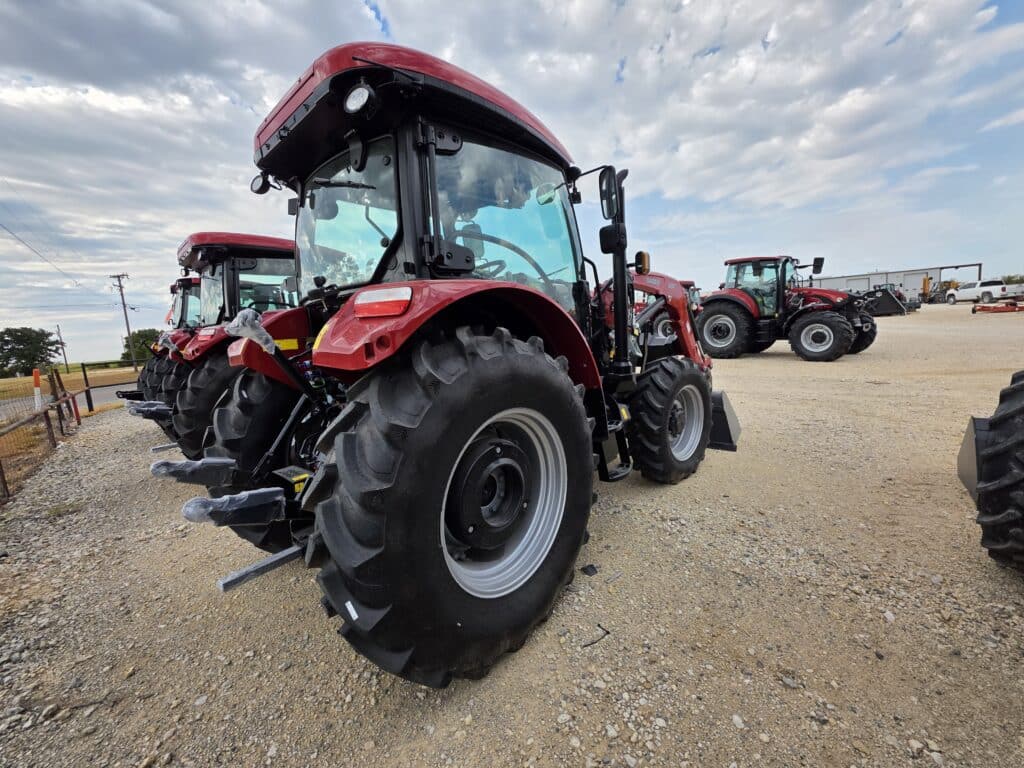
Spring is the busiest setup season for Texas farm equipment. After winter storage or reduced-use periods, every machine requires essential duties like thorough inspections before the heavy workload of planting and growth management begins.
Tractor and Engine Inspection
Start with oil and filter changes on tractors that haven’t had service since fall. Even if the hours haven’t accumulated significantly, oil sitting in an engine over winter can degrade and lose protective properties. Replace all fuel filters and inspect the fuel system for moisture contamination, which is particularly relevant for equipment stored in areas with temperature fluctuations.
Check coolant condition and freeze protection. While freeze protection isn’t the critical concern in spring that it is in fall, the overall coolant condition — its pH, inhibitor levels, and contamination status — affects engine life year-round. Replace coolant that has exceeded its service interval regardless of season.
Battery and Electrical Systems
Spring is the right time to load-test batteries that powered through winter. Cold weather reduces battery capacity, and a battery that made it through the winter may be marginally functional rather than truly healthy. Test and replace batteries that show low cranking amps before they strand you in the field.
Inspect all wiring harnesses for rodent damage — a real concern on farm equipment that sits for extended periods. Mice and rats are attracted to the warm, sheltered environment under engine hoods and can cause significant electrical damage over winter.
Belts, Hoses, and Hydraulics
Inspect all drive belts and replace any showing cracking, glazing, or fraying. Worn belts are a common cause of failure during seasonal transitions. Hydraulic hoses that survived winter without obvious damage should still be checked for seeping at fittings and any soft spots that indicate internal deterioration. Replace proactively rather than reactively — a hose failure during planting season costs far more in downtime than the hose itself.
Explore our Service Department for expert assistance
Summer Maintenance: Managing Heat and Heavy Use
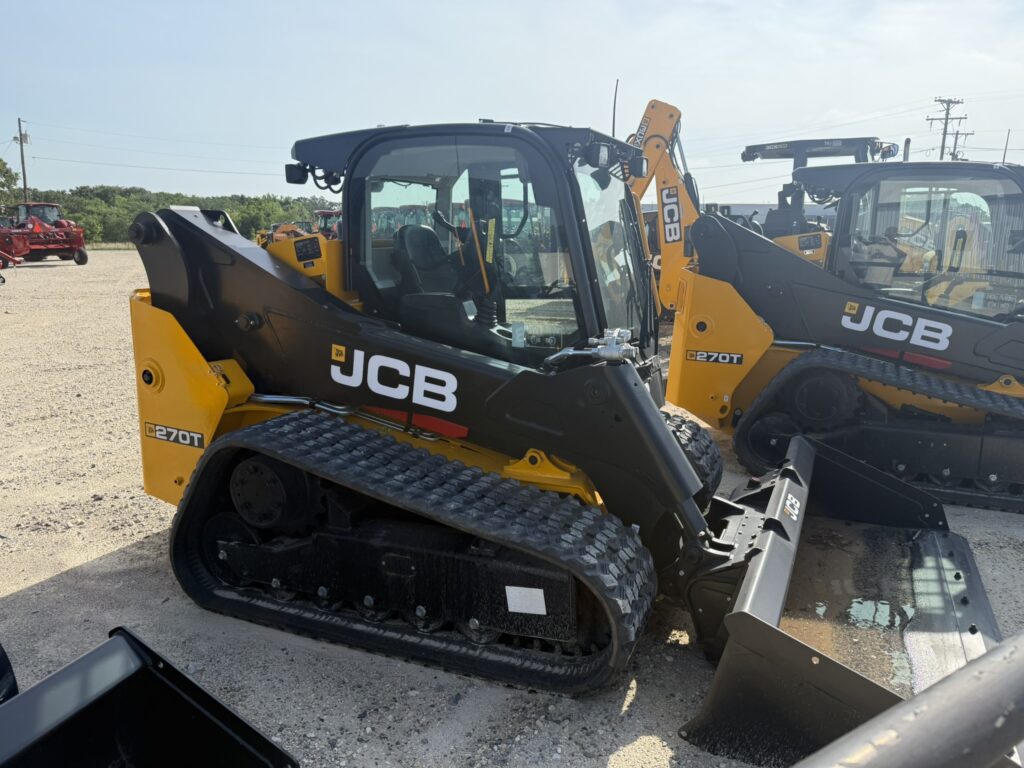
Texas summers are hard on farm equipment. Extended periods of heavy load and high ambient temperatures create specific maintenance demands that differ from cooler-climate operations.
Cooling System Performance
A tractor that runs cool in March may overheat in July if the cooling system is compromised. Check that radiator and oil cooler fins are clear of debris, grass seed, and dust accumulation — common in Texas summer conditions. Clean fins carefully with compressed air. Verify that cooling fans are operating correctly and that thermostat opening temperatures are within specification.
Air Filtration
Dust and particulate levels in Texas summer — especially during dry spells — can be extreme. Check air filter condition more frequently than the standard service interval during peak dust conditions. A plugged air filter starves the engine of air, reducing power and increasing fuel consumption. Dual-stage air filtration systems common on tractors should have their pre-cleaner bowls emptied regularly.
Hydraulic Fluid Viscosity and Cooling
High ambient temperatures reduce hydraulic fluid viscosity, which can decrease system efficiency and increase component wear. Verify hydraulic fluid levels regularly during summer — thermal expansion and potential for small seeps means levels can change. Monitor hydraulic system temperatures on machines with instrumentation and give systems time to cool during operator breaks.
Zero-Turn and Mower Deck Maintenance
For KIOTI tractors and Hustler mowers in the Stephenville and Decatur area, summer is the peak operating season. Keep mower blades sharp — dull blades tear grass rather than cut it cleanly, increasing fuel consumption and leaving rough-cut appearances. Balance blades whenever they’re sharpened to prevent spindle bearing wear from vibration.
Learn more about Hustler Turf equipment
Fall Maintenance: Preparing for Winter
Fall is the preparation season — a time to address anything that accumulated during the heavy summer work period and ready equipment for the reduced workload or storage of winter.
Post-Season Service for Seasonal Equipment
Zero-turn mowers and implements that won’t see significant use through winter should receive full service before storage. Change oil and filters, clean and grease all fittings, sharpen or replace blades, and address any issues noted during the season. Treat gasoline with a fuel stabilizer formulated for extended storage.
If replacement filters, belts, blades, or other components are needed, Hendershot Equipment’s Parts Department can help you find parts for your equipment.
Diesel Fuel Treatment
For diesel-powered tractors and equipment that will see use through winter, add a diesel anti-gel treatment as temperatures begin to drop. North-central Texas rarely sees extended extreme cold, but hard freezes do occur, and untreated diesel can gel at temperatures that regularly occur during Texas winters.
Pre-Winter Inspection of GEHL and KIOTI Equipment
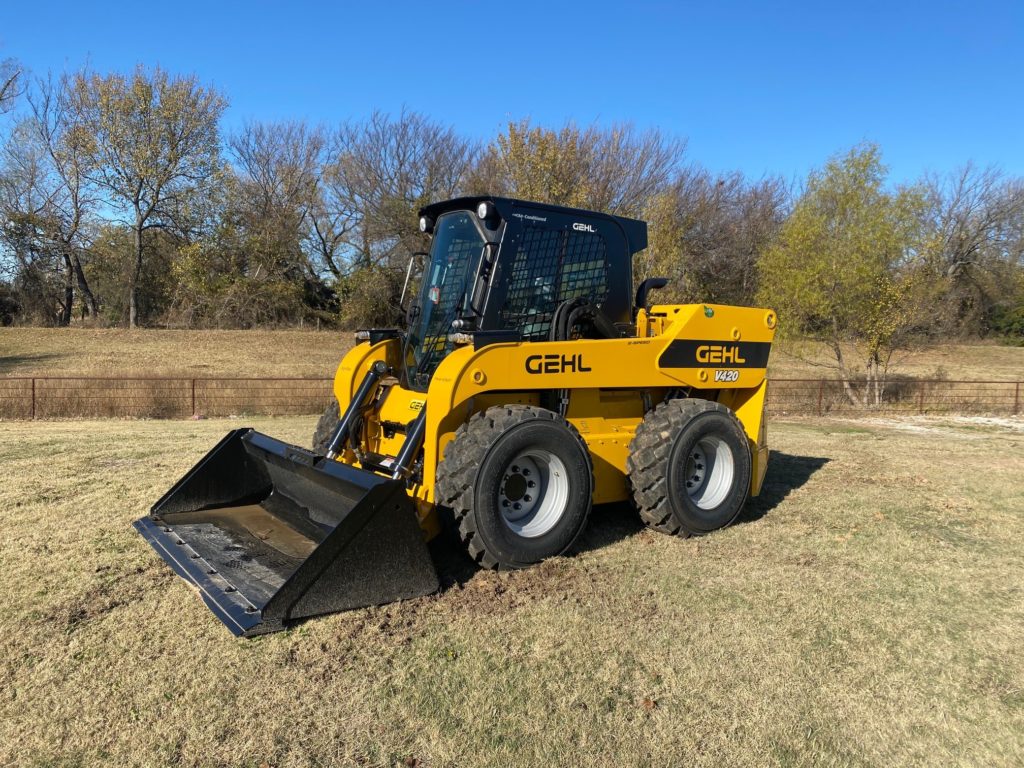
For GEHL skid steers and compact track loaders and KIOTI tractor owners, fall is the right time for a full dealer inspection before winter. Have hydraulic pressures checked, all fluid samples evaluated if using oil analysis programs, and any deferred maintenance addressed before the machine faces cold-weather operation.
Winter Maintenance: Cold-Weather Operation and Storage
Cold-Start Practices
For equipment that continues to operate through Texas winters, cold-start procedures matter. Allow adequate warm-up time before putting machines under heavy load. Hydraulic systems need time to circulate fluid and reach operating temperature — forcing heavy hydraulic work on a cold machine increases component wear.
Battery Maintenance During Storage
Equipment stored through winter should have batteries disconnected or maintained with a quality battery maintainer. A battery that discharges fully and is not recharged for months can sulfate and lose significant capacity permanently.
End-of-Winter Check
Before returning stored equipment to service in spring, perform a visual inspection of stored machines. Check for rodent damage, fluid seeps that developed during storage, and any tire pressure loss. Address these issues before the spring workload begins.
Equipment Storage Best Practices
Proper equipment storage during the off season is critical to protect your investment. Use breathable covers to prevent moisture accumulation under wraps and store equipment in dry, sheltered areas to avoid winter damage and water damage. Remove batteries and store them indoors during winter months to preserve battery life. Clean machinery thoroughly before storage to prevent rust and corrosion. For heavy-duty machinery, storing under cover is highly recommended. Elevate tires off the ground and apply rust inhibitors on metal parts prone to corrosion.
Conclusion
Consistent seasonal equipment maintenance is one of the most cost-effective investments Texas farmers and property owners can make in their machinery. The discipline of addressing known maintenance needs proactively — rather than waiting for major problems — reduces total operating costs, extends equipment life, and keeps your operation running when it needs to.
Hendershot Equipment’s service department in Stephenville and Decatur is staffed with a skilled maintenance team experienced with KIOTI, GEHL, Hustler, and Polaris equipment. If you’d like help staying on top of your equipment’s maintenance schedule or need service work heading into any season, contact us today to schedule an appointment.