Buying used farm equipment—whether a tractor, mower, loader, or other implements—can be a smart way to save money while still getting dependable performance. But to make the most of your investment, you need to inspect the equipment carefully before you buy.
At Hendershot Equipment, we help customers choose quality used machines every day. Here’s a simple, practical, and SEO-optimized guide to help you evaluate used tractors and implements with confidence.
Why a Thorough Inspection Matters
Used equipment offers excellent value, but only if it’s been well-maintained. A proper inspection helps you:
-
Avoid costly repairs
-
Ensure long-term reliability
-
Understand true wear and tear
-
Verify that the machine fits your needs
-
Protect your investment
Think of inspections as your first line of defense—and one of the smartest steps you can take before purchasing used farm equipment.
Start With a Walk-Around Visual Inspection
Check the body and frame
Look for cracks, bends, rust, dents, or welded repairs. Structural damage affects strength and safety.
Examine tires or tracks
Check tread depth, cracks, sidewall damage, and air pressure. Uneven wear may indicate alignment issues.
Inspect hydraulic hoses
Look for leaks, bulges, cracks, or loose fittings—hydraulic repairs can get expensive quickly.
Review the paint and panels
Faded or inconsistent paint may indicate previous repairs or heavy outdoor exposure.
Inspect the Engine Area
Look for oil, coolant, or fuel leaks
Leaks are signs of worn gaskets, seals, hoses, or bigger mechanical issues.
Check fluid levels and condition
-
Oil should not be dark, gritty, or low
-
Coolant should be clean, not rusty or milky
-
The hydraulic fluid should be clear and filled
Check air filters
A clogged filter may indicate poor maintenance habits.
Inspect belts and hoses
Look for cracks, fraying, or missing tension.
Evaluate the Tractor’s Runtime and Maintenance History
Check the hour meter
Hours tell part of the story—but condition matters more. A well-maintained tractor with more hours may be better than a neglected low-hour machine.
Ask for maintenance records
Service history reveals how well the tractor was cared for.
Look for new parts or recent repairs
Fresh service is a positive sign, especially for wear items like belts, fluids, or filters.
Start the Tractor and Listen Closely
Observe the startup
A hard start may indicate battery, fuel, or compression issues.
Listen for unusual noises
Grinding, knocking, or rattling can signal internal wear.
Check for smoke
-
Blue smoke: oil burning
-
White smoke: coolant or injector problems
-
Black smoke: fuel or air mixture issues
Test the Transmission and PTO
Shift through all gears
The machine should shift smoothly without grinding or hesitation.
Test the clutch (if equipped)
A slipping clutch may require replacement.
Engage the PTO
Ensure the power take-off engages and disengages properly with no excessive noise or vibration.
Inspect the Hydraulics and Steering
Raise and lower the loader or three-point hitch
Hydraulics should move smoothly without jerking.
Check steering responsiveness
Loose or unresponsive steering can signal linkage or pump problems.
Watch for leaks under pressure
Some leaks only appear when hydraulics are engaged.
Examine the Implements Carefully
Implement often faces heavy wear—inspect them as thoroughly as the tractor.
Blades or cutting edges
Check for excessive wear, cracks, or uneven edges.
Gearboxes
Look for oil leaks or low lubricant levels.
PTO shafts
Ensure guards are present and shafts turn smoothly.
Mounting points
Bent arms or stretched pins indicate hard use.
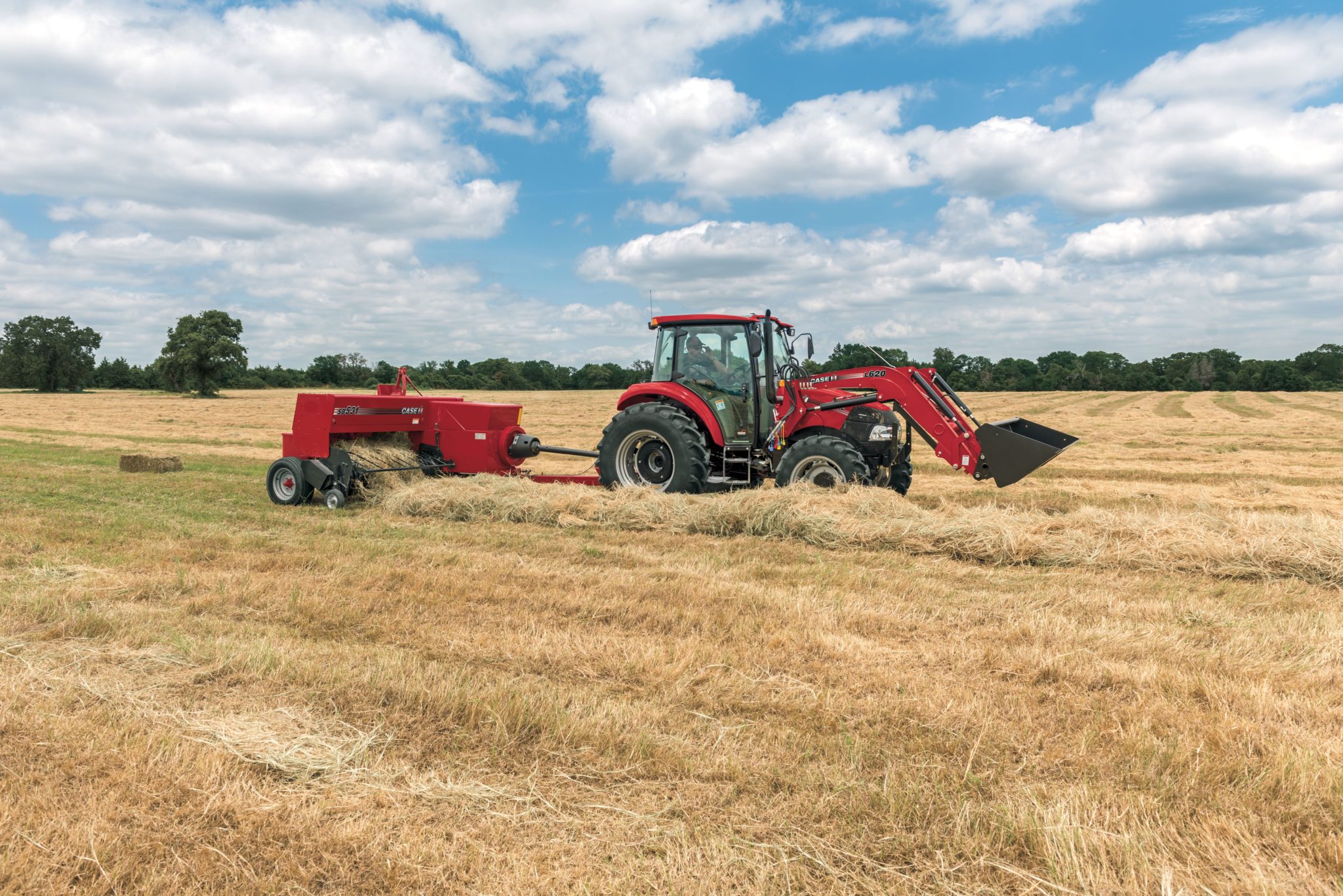
Take a Short Test Drive
This step reveals issues you can’t spot visually.
Pay attention to:
-
Acceleration and deceleration
-
Steering response
-
Brake performance
-
Gear shifting
-
Smooth hydraulic operation
A test drive provides a realistic picture of how the equipment performs under normal working conditions.
Work With a Trusted Dealer
When you buy used tractors or implements from Hendershot Equipment, you get:
-
Thoroughly inspected machines
-
Honest condition reports
-
Access to OEM parts and service
-
Expert recommendations for your needs
-
Peace of mind knowing you’re buying quality
Buying from a reputable dealer reduces risk and ensures long-term satisfaction.
Final Takeaway
Inspecting used tractors and implements before you buy is essential for getting the best value and avoiding unexpected repairs. By checking the frame, engine, hydraulics, tires, transmission, and implements—and by taking the machine for a test drive—you can confidently choose equipment that will serve you well for years.
Hendershot Equipment is here to help you evaluate, compare, and select the perfect used machine for your operation.